

New skills and opportunities in forensic analysis of mobile devices
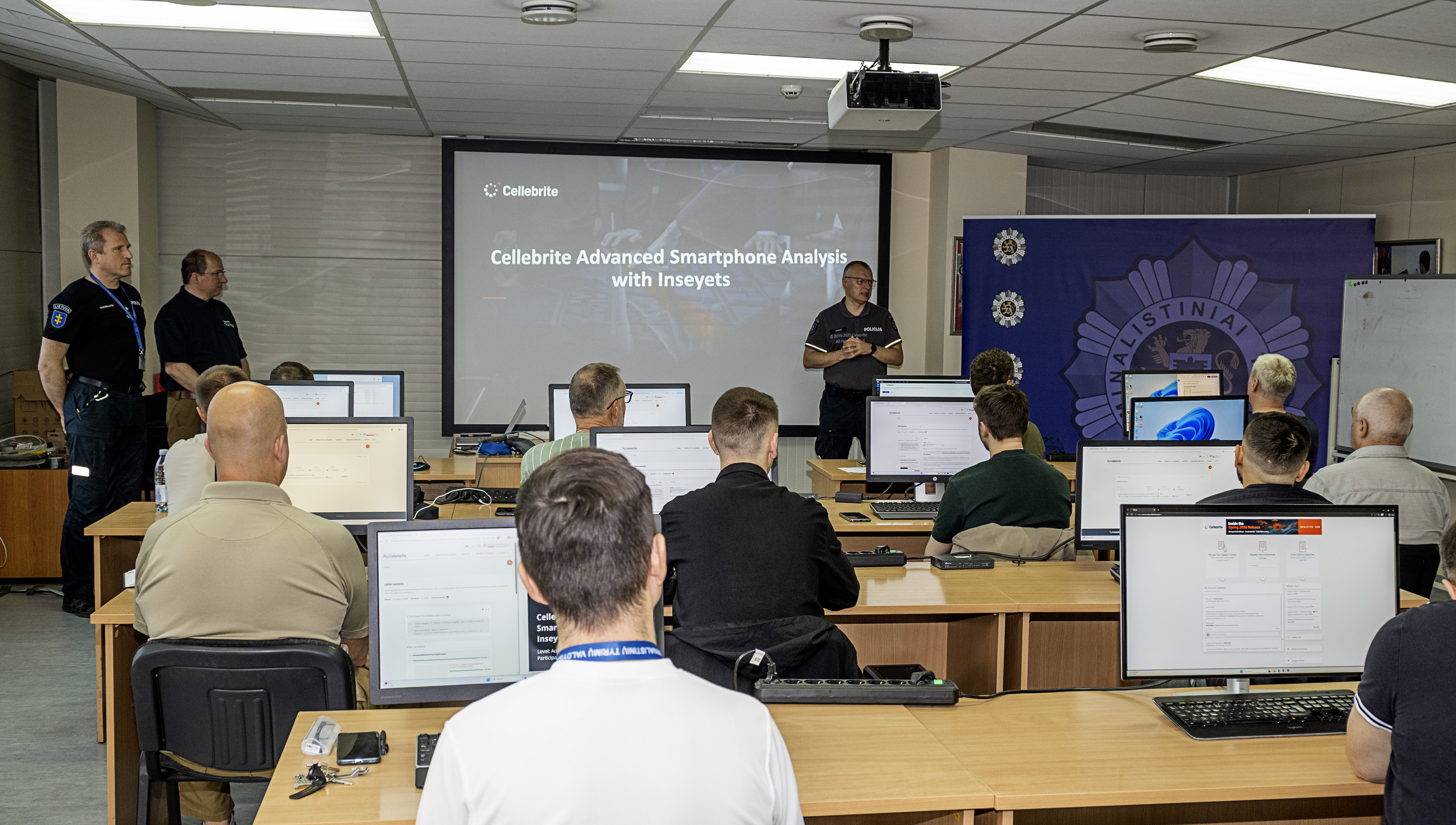
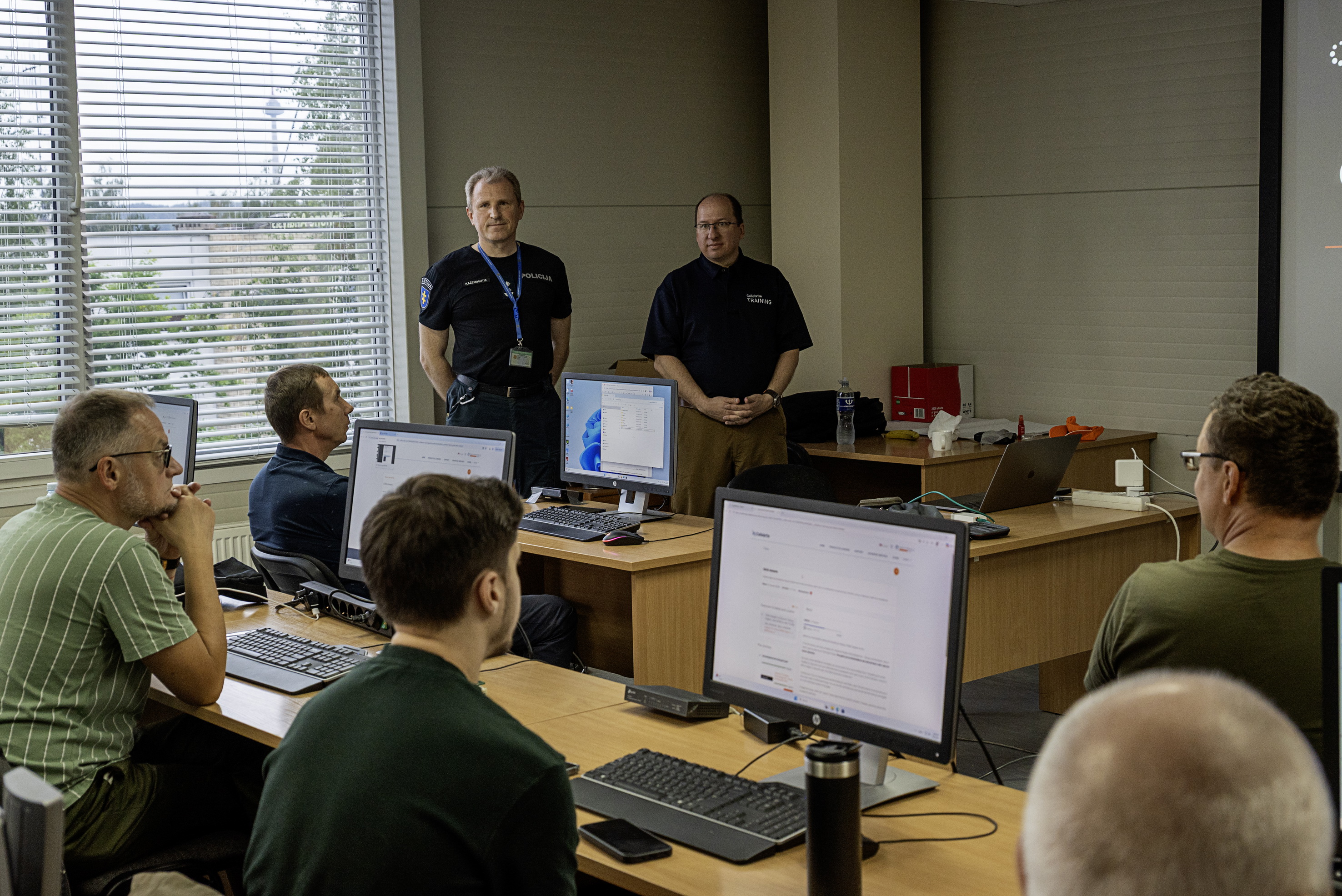
As part of the project “Training to Improve and Update the Skills of Specialists at Forensic Laboratories of the Police in Lithuania, Latvia, and Moldova Using ‘Cellebrite Advanced Smartphone Analysis with Inseyets’ (CASA),” funded under the European Union’s Anti-Fraud Program, a five-day CASA training course began on June 8, 2026, at the Forensic Science Service (hereinafter referred to as FSS) of the Lithuanian Police Department. In the training room, FSS, in collaboration with the Information Technology Unit of the Police Department, set up a dedicated computer network and twelve upgraded computer workstations to meet the high standards set by the course organizers.
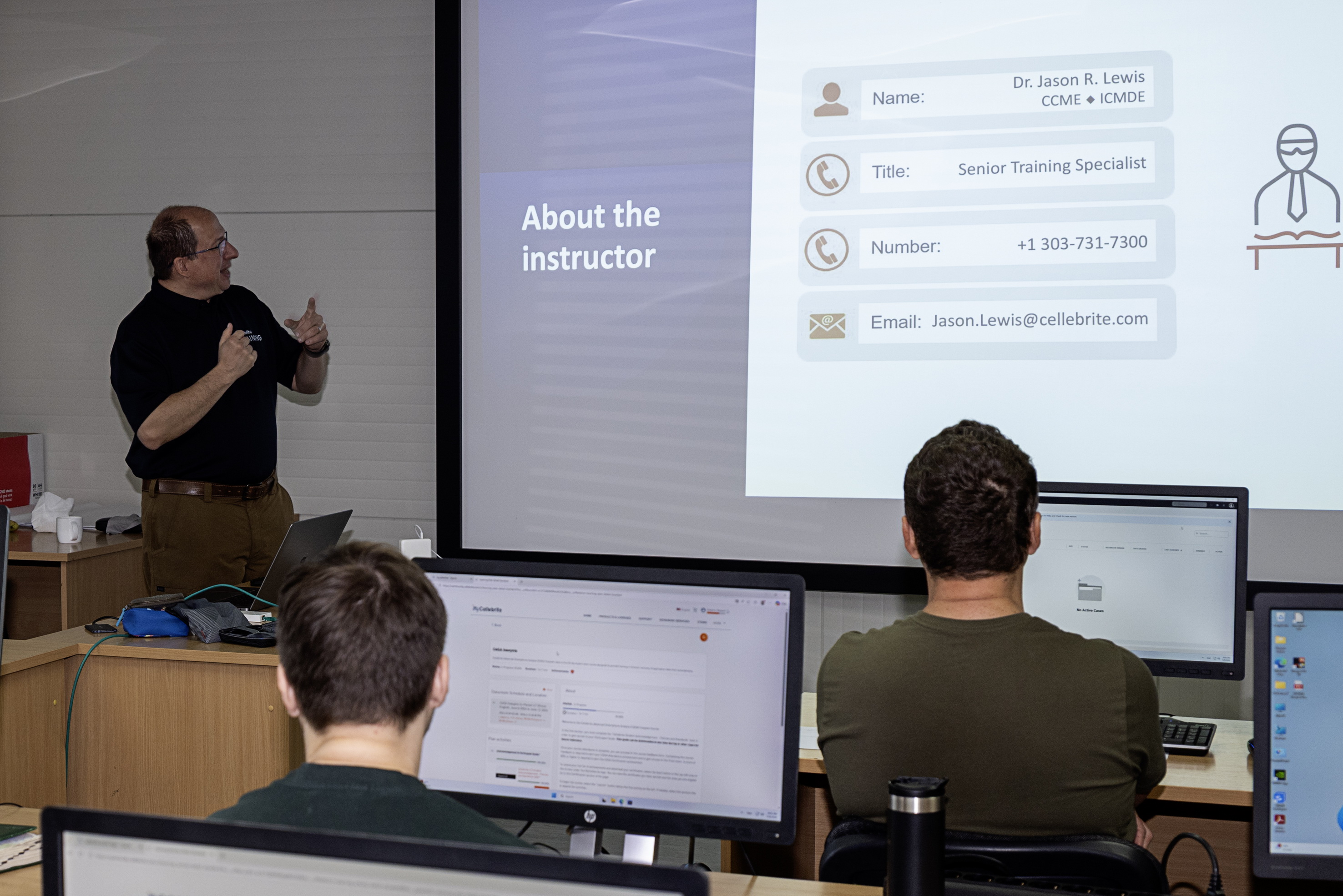
Saulius Gagas, head of FSS, delivered the opening remarks. The main instructor for the courses is Dr. Jason R. Lewis, an American who, together with the “Cellebrite DI Ltd.” (Israel) team not only organizes training sessions for law enforcement agencies in various countries around the world, but also regularly teaches at the National Computer Forensics Institute (NCFI) in Hoover, Alabama. Twelve experienced police information technology (IT) forensic specialists have been invited to participate in the training: two from the Forensic Science Centre of the Moldovan Police, one from the Forensic Science Department of the Latvian State Police, four from the FSS, and one each from the Vilnius, Kaunas, Klaipėda, Šiauliai, and Panevėžys County Police Headquarters. Two weeks before the course, the invited specialists were required to create their own Cellebrite DI Ltd. accounts and pass the required tests to demonstrate their skills and expertise as advanced computer forensic experts.
The course is designed to train police IT forensic specialists in the use of the Inseyets Physical Analyser (PA) software tools for analysing database content, as well as third-party open-source tools and the Python programming language for decrypting iOS and Android data. Police IT forensic specialists will independently extract data from mobile devices, recover, reconstruct, and interpret digital evidence, including deleted data, correspondence, system logs, in order to determine user actions, identify evidence destruction, and present reliable conclusions.
Following the training courses, police IT forensic specialists will ensure that law enforcement agencies in Lithuania can effectively and consistently access high-quality forensic expertise when investigating fraud and financial crimes. Forensic experts from Latvia and Moldova will share the knowledge and skills they have acquired with their colleagues in their respective countries. It is expected that, thanks to the experienced staff and the use of specialized Cellebrite software, the backlog of forensic mobile device examinations will be reduced, and forensic analyses will be completed within timeframes acceptable to pre-trial investigation officers.
„Funded by the European Union. Views and opinions expressed are however those of the author(s) only and do not necessarily reflect those of the European Union or [name of the granting authority]. Neither the European Union nor the granting authority can be held responsible for them. “

Atnaujinimo data: 2026-06-09
Taip pat skaitykite:
Palyginti neseniai prasidėjusi, bet nepaprasta policijos ekspertinių tyrimų kokybės istorija
Kriminalistinių tyrimų valdyba akredituota LST EN ISO/IEC 17025:2018 standarto atitikčiai